

Why “light” is now popular – the 5 most important levers for business
- All-day suitability: 10–11.5% ABV works at lunchtime and in the evening – low alcohol, clear head, longer lingering.
- Food pairing 2.0: Lightness complements vegetable and fish dishes, modern vegetarian courses, spicy cuisine, and fermented notes – without dominating.
- Ticket size: “A second glass instead of a heavy first” – light styles encourage additional orders (aperitif – glass with the course – finish).
- Signature Spritz/Chilled Reds: Unique, seasonal drinks & serves (Spritz with zest; chilled red) tie the bar and service together.
- Story & expertise: Transparency about alcohol, residual sugar, aging, biodynamics – on the guest and team side – creates trust and differentiation.
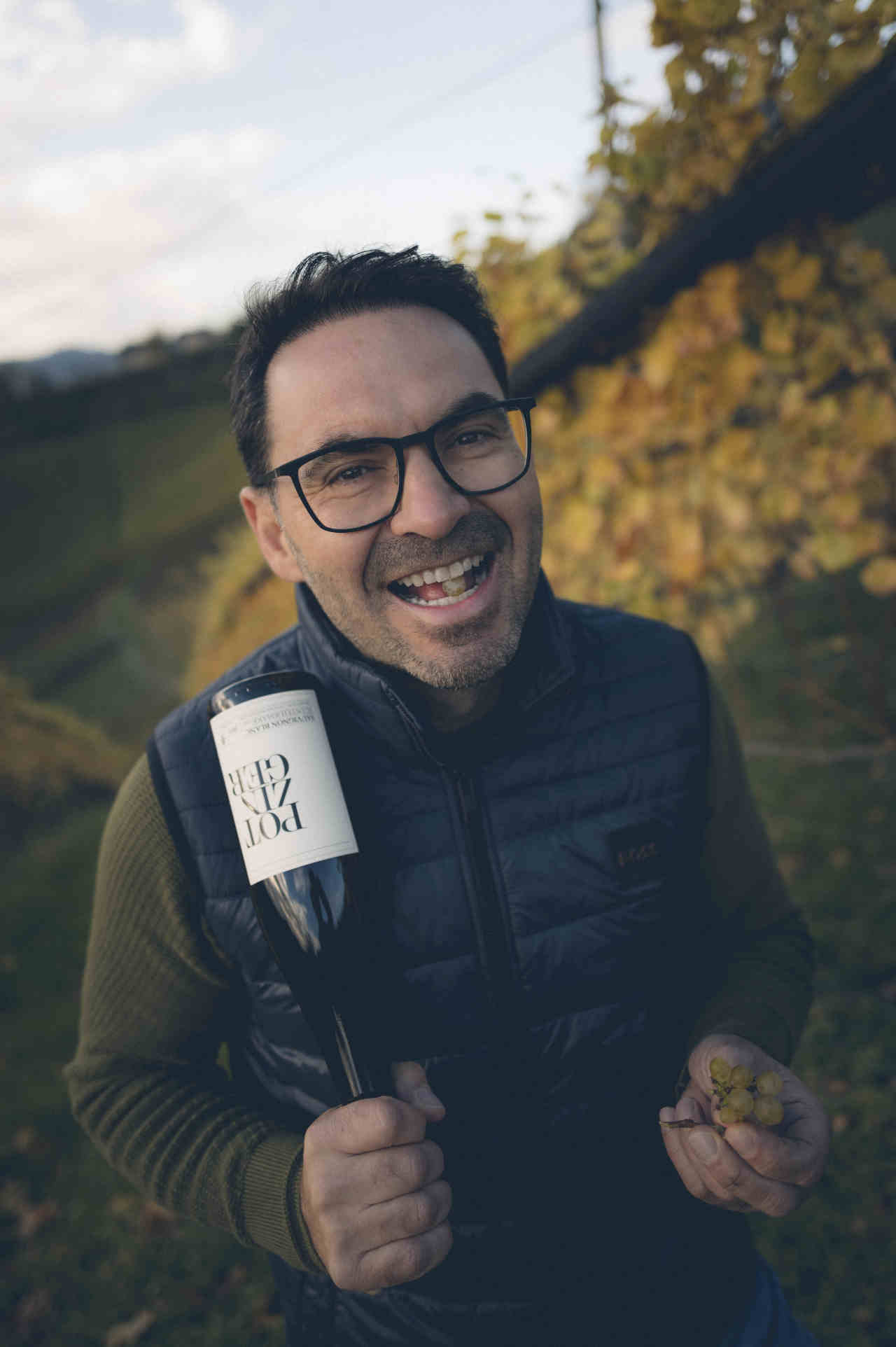
A little sun, a little acidity, lots of character: Potzinger Welschriesling 10.5
An extravagantly developed Welschriesling that delivers freshness and drinkability—at only 10.5% ABV and offering excellent value for money.
Profile
- Nose: green apple, white peach, hint of citrus
- Palate: lively, pure, clear; balance takes precedence over volume
- Appearance: light yellow-green
Serving & pairing
- 8–9 °C, universal glass
- Perfect with: grilled vegetables, summer rolls, marinated fish, zucchini “pasta” with lemon oil, marinated fish, zucchini “pasta” with lemon oil, oyster mushroom pan – and solo as an aperitif 100 ml Welschriesling + 50 ml soda,
- Signature Spritz: 100 ml Welschriesling + 50 ml soda water, ice, lemon zest in the glass. Menu and ~3.5% ABV in the glass. Suitable for menus and lunches
Added value
- Positioned as a low-alcohol option with authentic flavor
- Ideal for vegan/vegetarian courses and as a “lunch white”
- Figures that inspire confidence: Acidity 5.2 g/l, residual sugar 1.8 g/l (dry), RRP €9.00 (0.75 l)
Facts at a glance
- Vegan & sustainably certified
- Histamine-tested
- Suitable for diabetics
- Ideal with vegetarian & vegan dishes
Sommelier note: Communicate values, not promises – e.g., “extra dry: 1.8 g/l RS.” Avoid health claims; instead, cite objective parameters.
Herb garden in a glass: Muskateller Jardin d'herbes
Skin-contact Muskateller with 7 days of maceration, 15 months on fine lees in used 300-liter wood, unfiltered, vegan. Only 798 bottles – a story and a rarity.
Profile
- Structured, herbaceous aromatics (sand, gravel, weathered rock); lively acidity (5.4 g), 0.2 g/l RS (bone dry), 9.8% ABV.
- Texture instead of sweetness: a touch of tannin from maceration, subtle use of wood for depth.
Service & Pairing
- 10–12 °C, large tulip glass; optionally decant briefly (10–20 min.).
- Cuisine: herbs, ferment, citrus zest, salty components. Great with pumpkin with salted lemon, roasted leeks & goat cheese, mushroom dishes (oyster mushrooms/parasol mushrooms), ceviche styles with grapes/apple.
Added value on the menu
- Organic since 2016, biodynamic since 2022 – communicate concisely.
- Perfect as a “Chef's Pour” or “Limited Glass Accompaniment.”
- Aimed at guests who are looking for low ABV + craft + nature – and are willing to invest more per glass.
Sommelier note: Explain why orange/skin contact: “Aromatics + texture that carry spice cuisine & vegetables – without weight.”
Cool comeback for red wine: Zweigelt Kuhlbar 2024
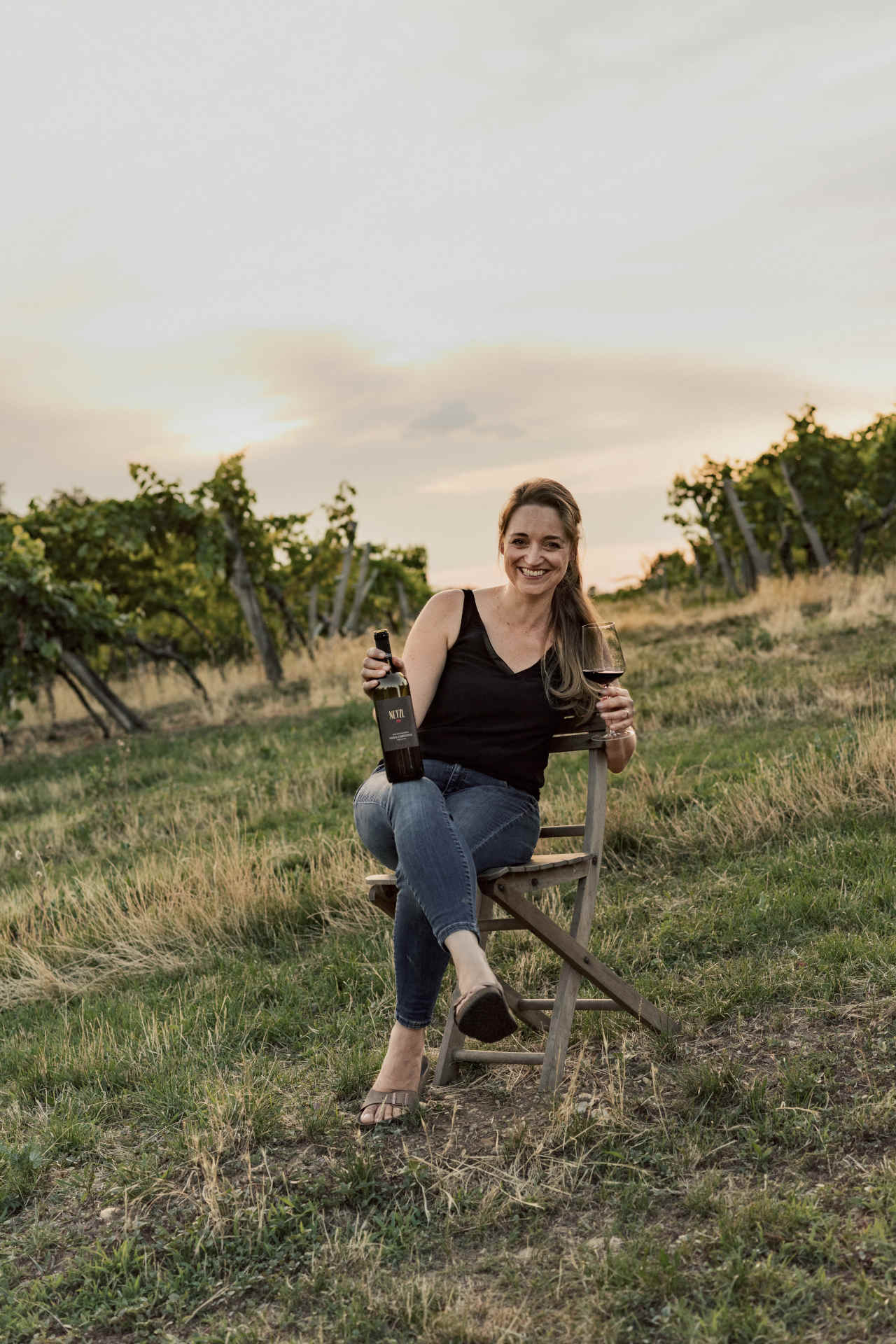
A purist Zweigelt from loess, briefly macerated, then stored in steel tanks without skins, unfiltered—with minimal tannins. Designed to be served at 4–6 °C. Price: €9.50 (online).
Profile
- Fruity, juicy, hardly any tannin grip; clear and accessible – chuggable, but serious.
- Idea: Red wine as a rooftop, picnic, and after-work companion.
Service & Pairing
- Serve COLD (4–6 °C); universal or slim red wine glass.
- Cuisine: Antipasti/salumi, tuna tartare (soy-salted), lukewarm vegetables, BBQ corn on the cob, cheese/olive boards; later in the fall: tarte flambée, roasted pumpkin, mushroom tart.
- Bar bridge: Spritzer Rouge (50/50 soda), Tinto-Tonic (red + tonic, zest) – demonstrates versatility and extends the dayparts.
Menu added value
- “Red, served cold” as an eye-catcher in the by-the-glass column.
- Low learning curve for the team, high wow factor for guests.
- Suitable for casual dining and bar snack menus – integrates bar & service.
How to make “light” wines profitable on your menu – 8 immediate measures
- Offer double glass sizes: 0.1 / 0.15 / 0.2 l – lower entry barrier, higher tasting rate.
- Triadic tasting: Three “light styles” in a tasting flight (classic fresh / skin contact / red chilled).
- Service temperature in words: “Served 8–9 °C,” “Red, served cold (4–6 °C)” – manage expectations.
- Define signature serves: Welschriesling spritz with zest; tinto tonic; affogato pairing with “Jardin d'herbes.”
- Team training 15 min/week: Explain RS & acidity, orange-why, red-cold arguments.
- Transparent by-the-glass calculation: 0.75 l = 6×125 ml / 5×150 ml – glass deposit + €1 “signature serve surcharge” conceivable.
- Storytelling at the table: “Low ABV” as a comfort advantage, not as a sacrifice.
- Think seasonally: September–November with pumpkin, mushrooms, leeks & roots – light as flavor carriers, not as opponents.
Cheat sheet: Serving parameters at a glance
- Potzinger “10.5” Welschriesling (2024) 8–9 °C | Universal glass | RS 1.8 g/l (dry) | Acidity 5.2 g/l | 10.5% ABV | Spritz option ~3.5% ABV
- “Jardin d'herbes,” Muskateller (2023, organic/biodynamic) 10–12 °C | larger tulip glass | decant briefly | RS 0.2 g/l, acidity 5.4 g | 9.8% ABV | unfiltered, vegan, ~798 bottles
- Christina Netzl “Kühlbar 2024” Zweigelt 4–6 °C | Universal/light red wine glass | unfiltered | minimal tannin grip | Bar bridge: splash of rouge / tinto tonic
Conclusion – Lightness is an attitude, not a seasonal gimmick
Today, “light” means precise, textured, suitable for everyday use – and economically smart. With clear service rituals, measurable parameters, and signature serves, you can turn three styles into year-round experiences:
- Fresh & straight (Welschriesling)
- Aromatic & textured (skin-contact Muskateller)
- Juicy & served cold (Zweigelt)
This makes “light” the starting point—not the end point—of a menu that captivates guests and elegantly extends sales.
From Genusspunkt Sept-Oct 2025