
The most important bread trends for 2025 at a glance
- Artisan & sourdough revival:
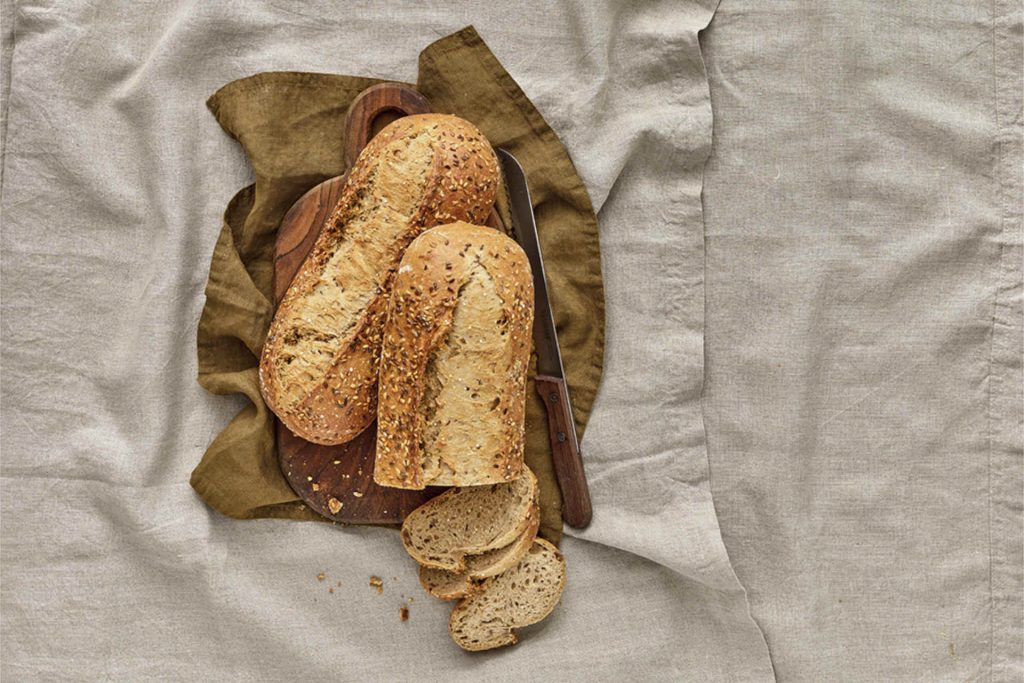
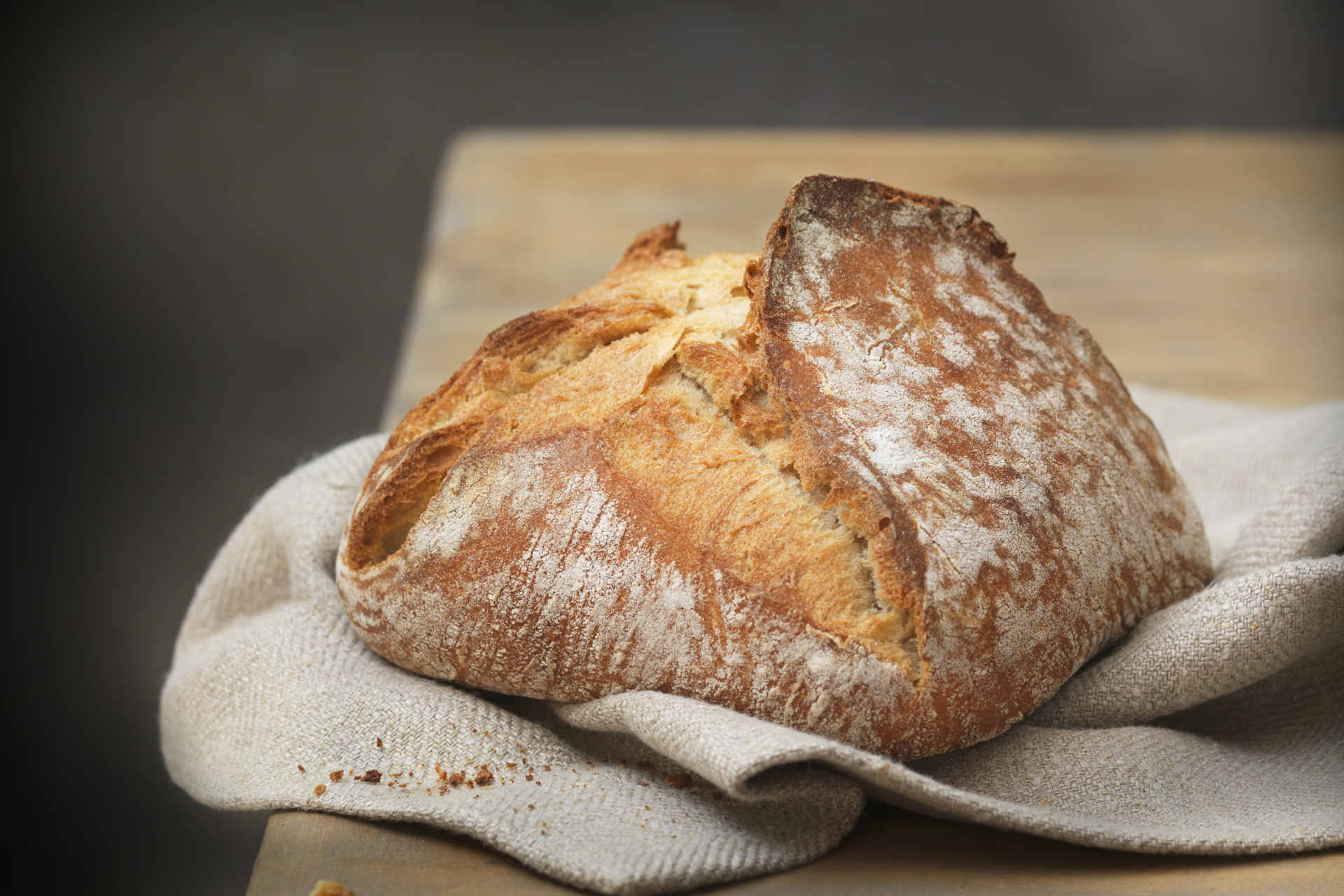
Long-aged sourdough breads with a rustic crust and complex aroma are more in demand than ever. They not only offer sensory enjoyment, but also convey quality and authenticity - especially in the breakfast range or as a signature bread in restaurants. - Clean Label & Health Food:
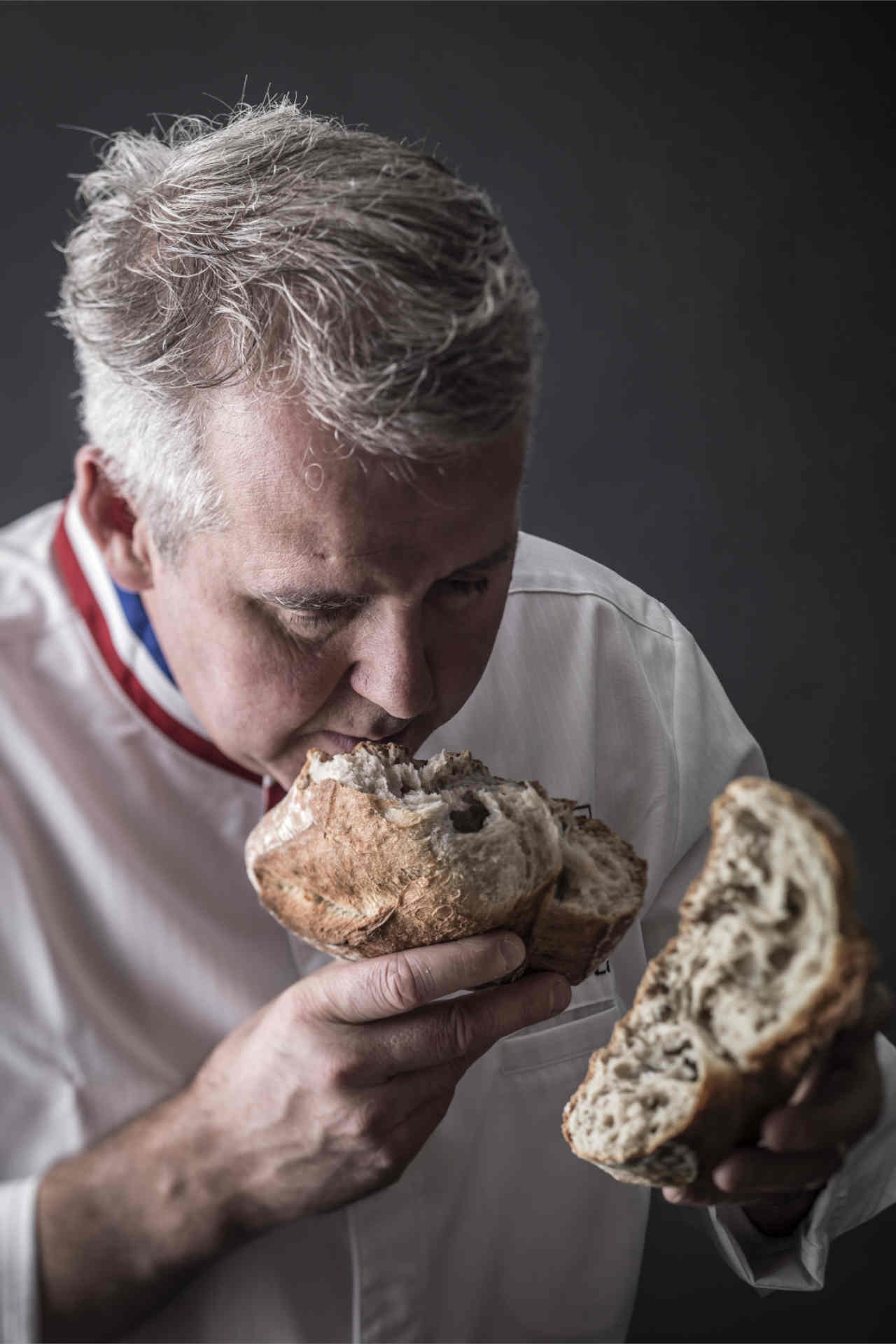
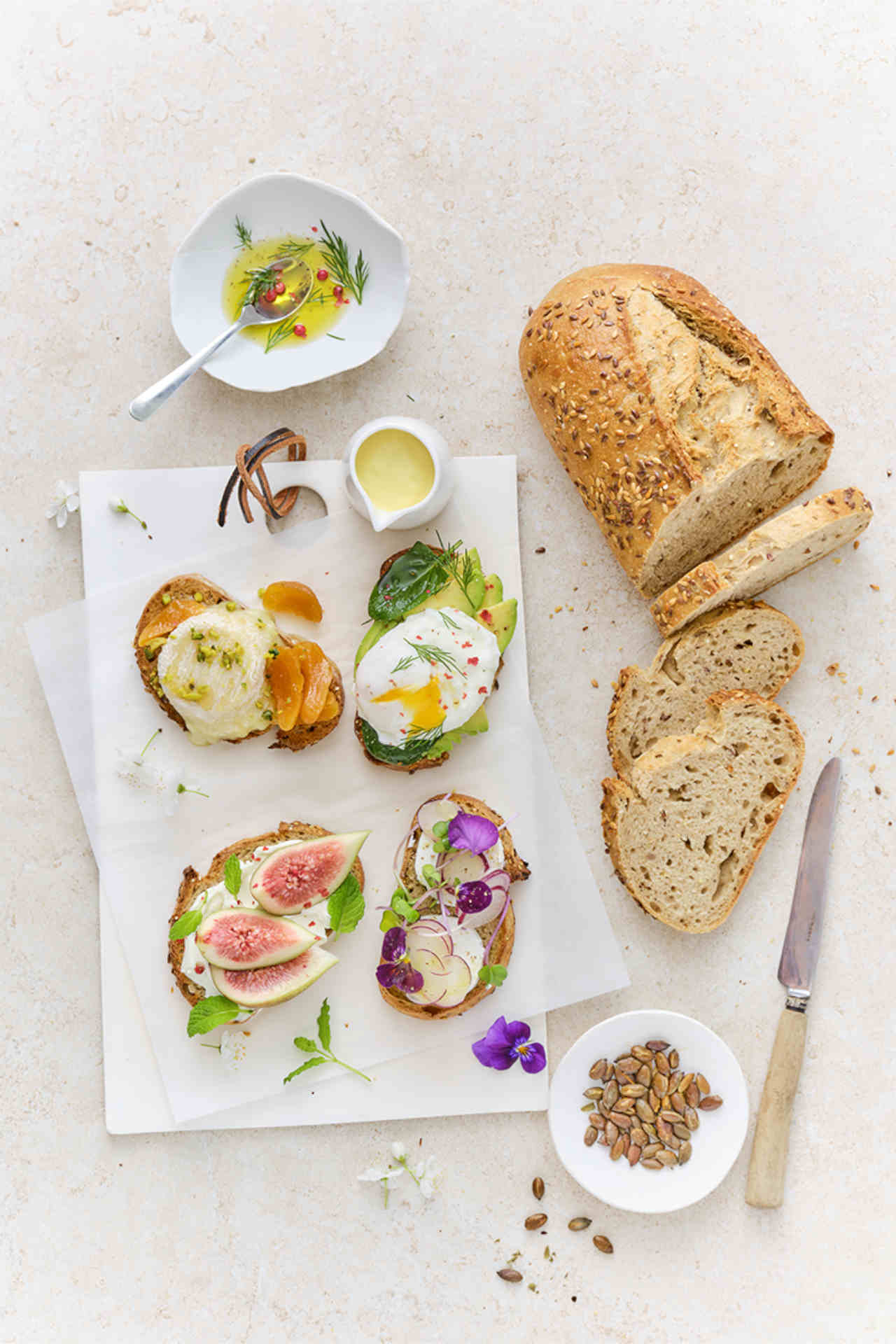
More and more guests are paying attention to transparency and health: clean label (few, natural ingredients), gluten-free variants or breads with superfoods are hitting the nerve of the times. Bridor & Frédéric Lalos are setting standards here with minimalist recipes (flour, water, sourdough, salt) and fruity ingredients such as fig or apricot. - Ancient grains & grain diversity:
Spelt, einkorn, emmer or khorasan are more than just food trends - they stand for originality and added nutritional value. The Khorasan wheat bread with amaranth, millet & sunflowers from the Bridor collection, for example, is a sensory and visual experience. - Bread as a signature product:
Whether it's Le Pochon with buckwheat sourdough or Baguette Parisienne from the stone oven: those who not only serve bread, but also stage it, create an emotional brand experience. Bread becomes the signature of the house - from the greeting from the kitchen to the stylish bread basket. - Sustainability & origin:
Regionality, environmentally friendly packaging and seasonal ingredients are standard - even for bread. Guests want to know where the flour comes from and how the bread was baked. - Technology & convenience:
Smart baking tools, proofing boxes, dough maturing apps and premium-level frozen bakery products (like at Bridor) enable consistent quality, even with high frequency or limited staff. - Presentation & enjoyment culture:
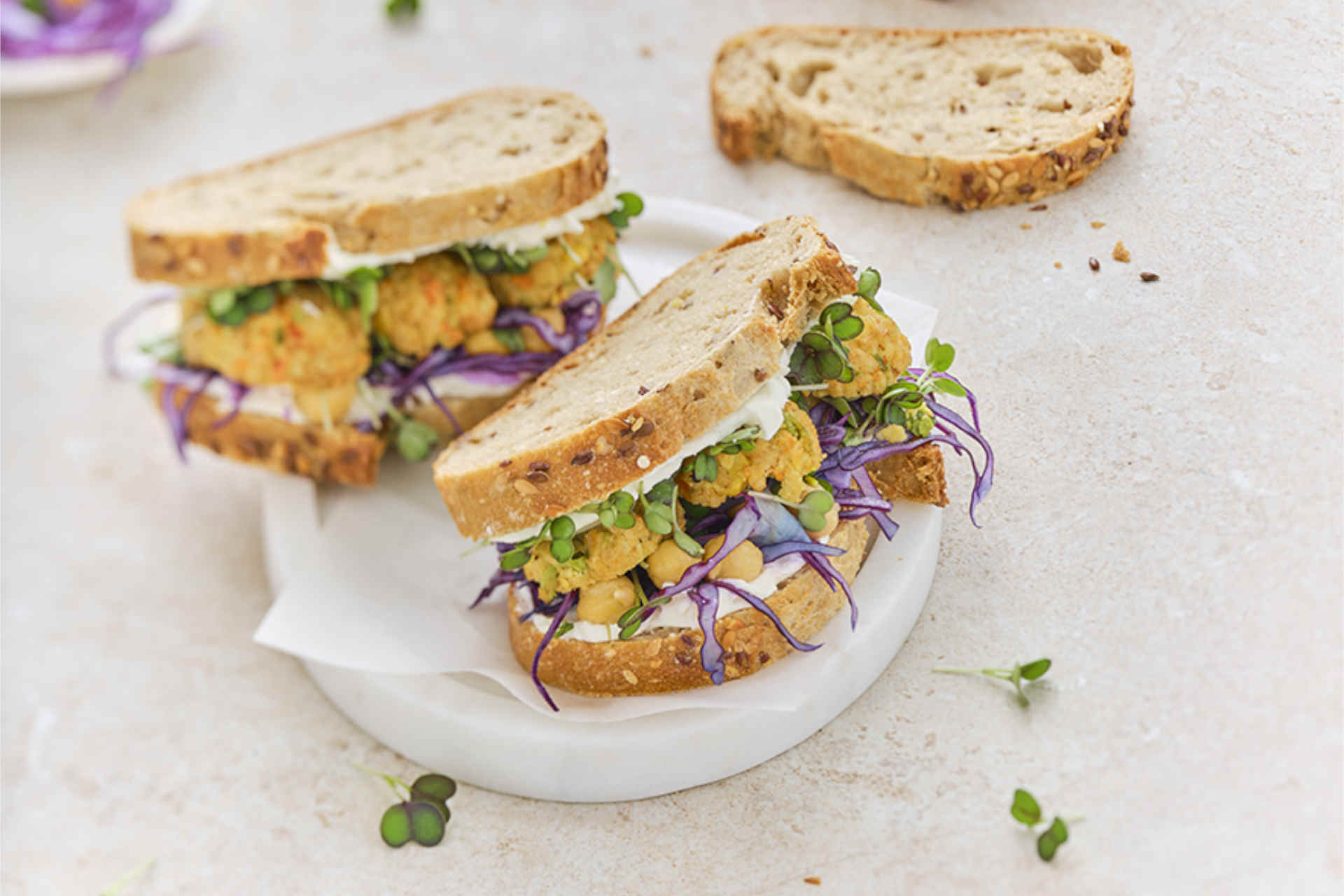
Served on a wooden board, with a smoking bell or in combination with homemade dips - bread gets a new stage. Toast and mixed bread (the best-selling varieties in Germany) can also be creatively interpreted and staged.
Market potential & consumption data 2025
Austria:
- Market volume: € 3.41 billion
- Forecast 2030: € 3.95 billion (+2.93% CAGR)
- Per capita turnover: € 374.46
- Per capita consumption: approx. 66.63 kg
- Sales growth 2026: +1,9 %
Germany:
- Market volume: € 17.42 billion
- Forecast 2030: € 20.11 billion (+2.85% CAGR)
- Per capita sales: € 207.19
- Per capita consumption: approx. 61.13 kg
- Sales growth 2026: +0,2 %
- Most popular types of bread (2024):
1. toast bread (28.4% market share)
2. mixed bread
Recommendations for the hotel & catering industry
- Turn bread into a brand: Develop an in-house bread signature or work with brands such as Bridor - for consistently high quality with storytelling potential.
- Show origin & attitude: Guests want to know where the ingredients come from - and whether sustainability is practiced.
- Bring bread to life: From bread baking workshops to live stations at the buffet - create encounters with the product.
- Create variety: Offer different types of bread, tailored to the time of day, target groups or pairings.
- Use convenience without compromise: Premium frozen products such as those from Bridor enable haute bakery despite a shortage of skilled labor.
Conclusion: In 2025, bread is a stage, a message and a moment of pleasure
Whether it's ancient grains, sourdough or smart-controlled ovens - bread culture is experiencing a renaissance in German-speaking countries. Those who use it in a targeted way can emphasize their culinary identity and create real differentiation.