
Doughnut trends 2025: the renaissance of a classic
Hardly any other pastry is as closely associated with the Austrian carnival season as the doughnut. But while the classic Faschingskrapfen with apricot jam remains popular, innovative bakeries are increasingly focusing on creative new creations. The doughnut is becoming a canvas for new taste experiences, inspired by global food trends and regional craftsmanship.
From antiquity to carnival 2025: a brief history of doughnuts
The roots of doughnuts go back a long way: the Romans already knew deep-fried balls of dough, which they refined with honey and poppy seeds. In the Middle Ages, doughnuts were popular both sweet and savory. The pastry has a particularly long tradition in Vienna - from the “Krapfenpacherinnen” of the 15th century to the legendary doughnut battles at the court of Emperor Charles VI.
Today, in the year 2025, the doughnut is undergoing a remarkable transformation. Bakeries all over Austria are proving that tradition and innovation are not a contradiction in terms.
Innovations on the baking tray: doughnuts that surprise
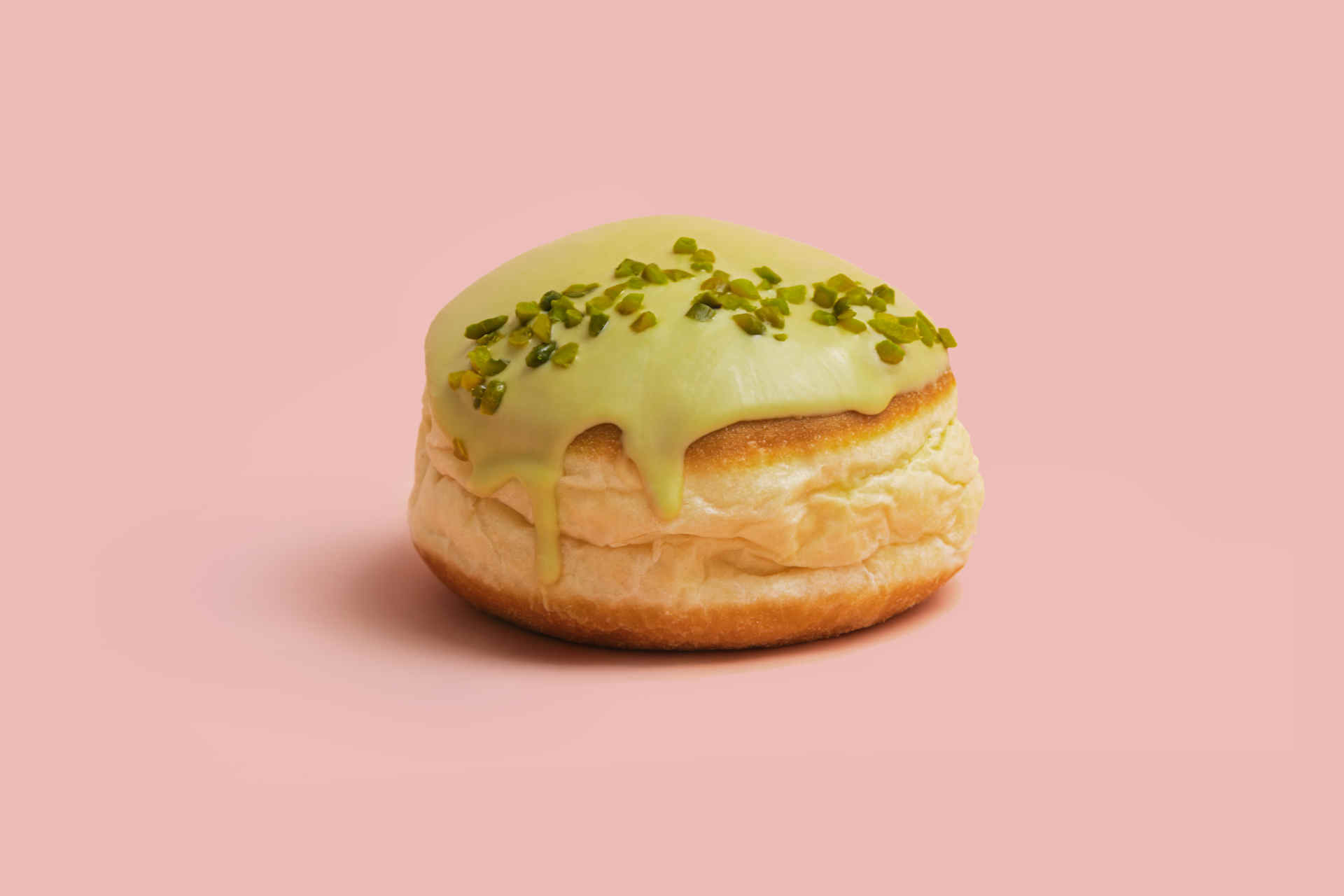
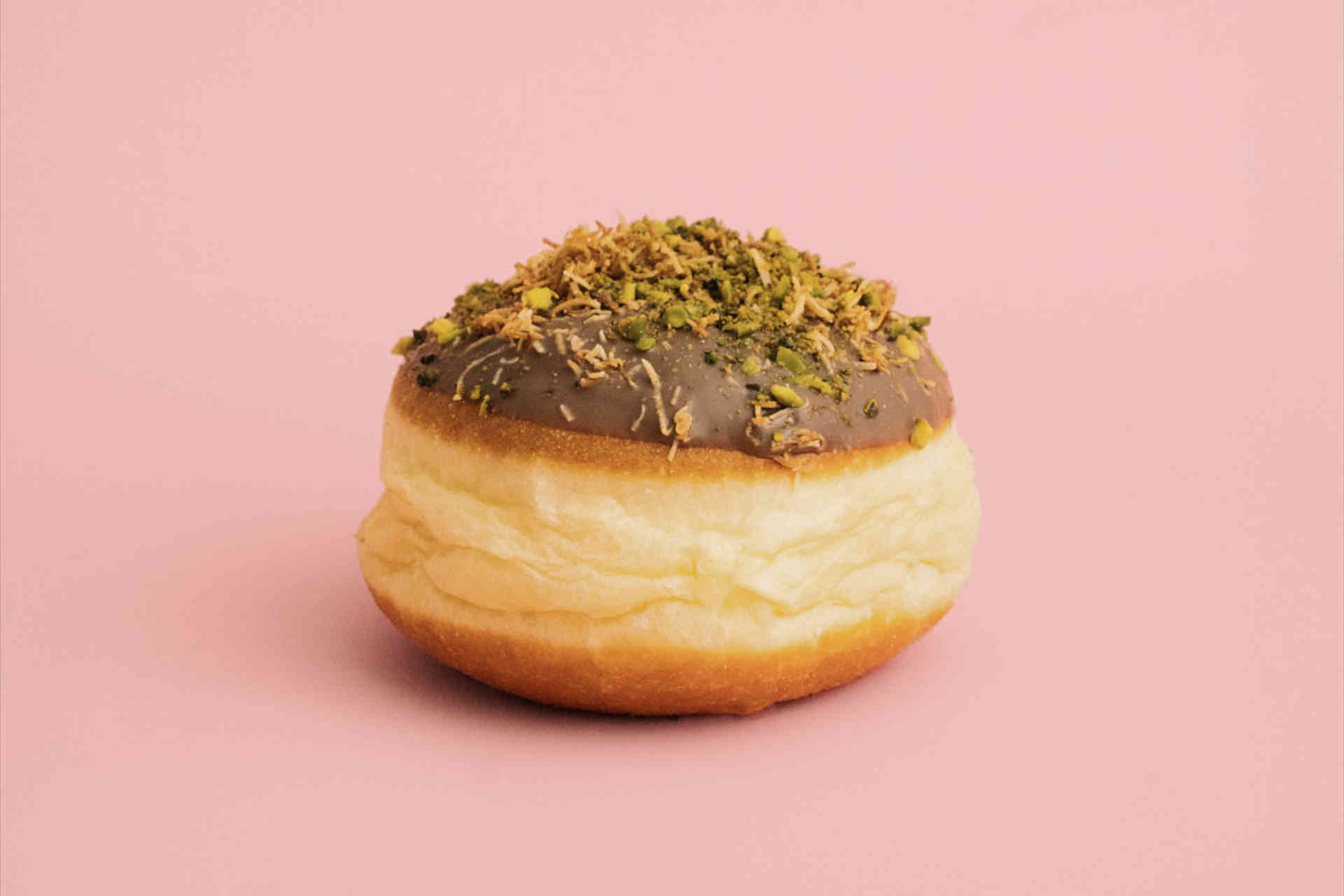
One of the pioneers of this movement is Albin Sorger-Domenigg. Every year, his bakery creates new varieties inspired by global trends. “The Dubai doughnut was a logical development after our pistachio doughnut,” explains Sorger-Domenigg. Angel hair meets chocolate - a firework of flavors that sends the palate on a journey.
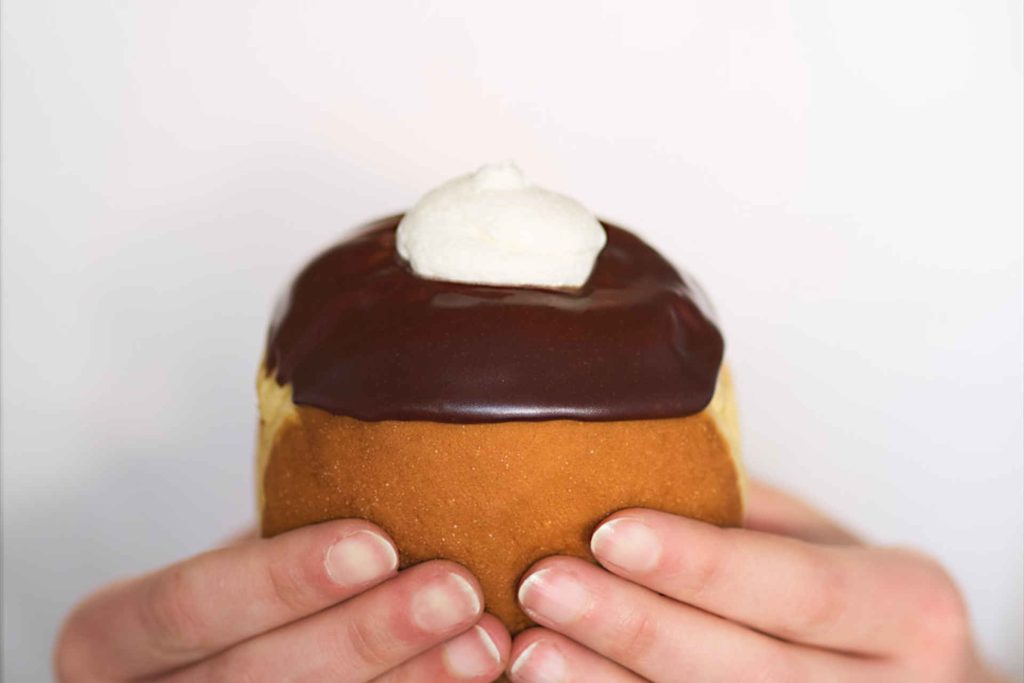
But it's not just exotic ingredients that set the tone. Regional classics are also rethought. The Felber bakery delights with the playful Barney doughnut, decorated with M&Ms and gummy bears. Der Mann surprises with a Mozart doughnut filled with pistachio green cream – a sweet greeting from Vienna. Szihn offers doughnut delicacies such as biscotti doughnuts with coffee cream and cocoa powdered sugar.
Sourdough, superfoods and social media: The doughnut trends at a glance
- Sourdough doughnuts: More and more bakeries are turning to sourdough for better digestibility and a more intense taste. Sorger-Domenigg swears by them: “The result is airier and easier to digest.”
- Exotic fillings: From Ruby chocolate in strawberry doughnuts to powidl and poppy seed combinations - fillings are becoming bolder and more varied.
- Visual highlights: Today, doughnuts are also a visual statement. Colorful glazes, elaborate decorations and unusual shapes are attracting attention, especially on social media.
- Nostalgia with a twist: The trend towards “reinterpreting classics” appeals not only to the palate, but also to the heart. Familiar flavors in new variations create familiarity and curiosity at the same time.
- Marketing power: limited editions, seasonal specials and influencer collaborations make the doughnut a viral star. Bakeries use storytelling specifically to create emotional connections.
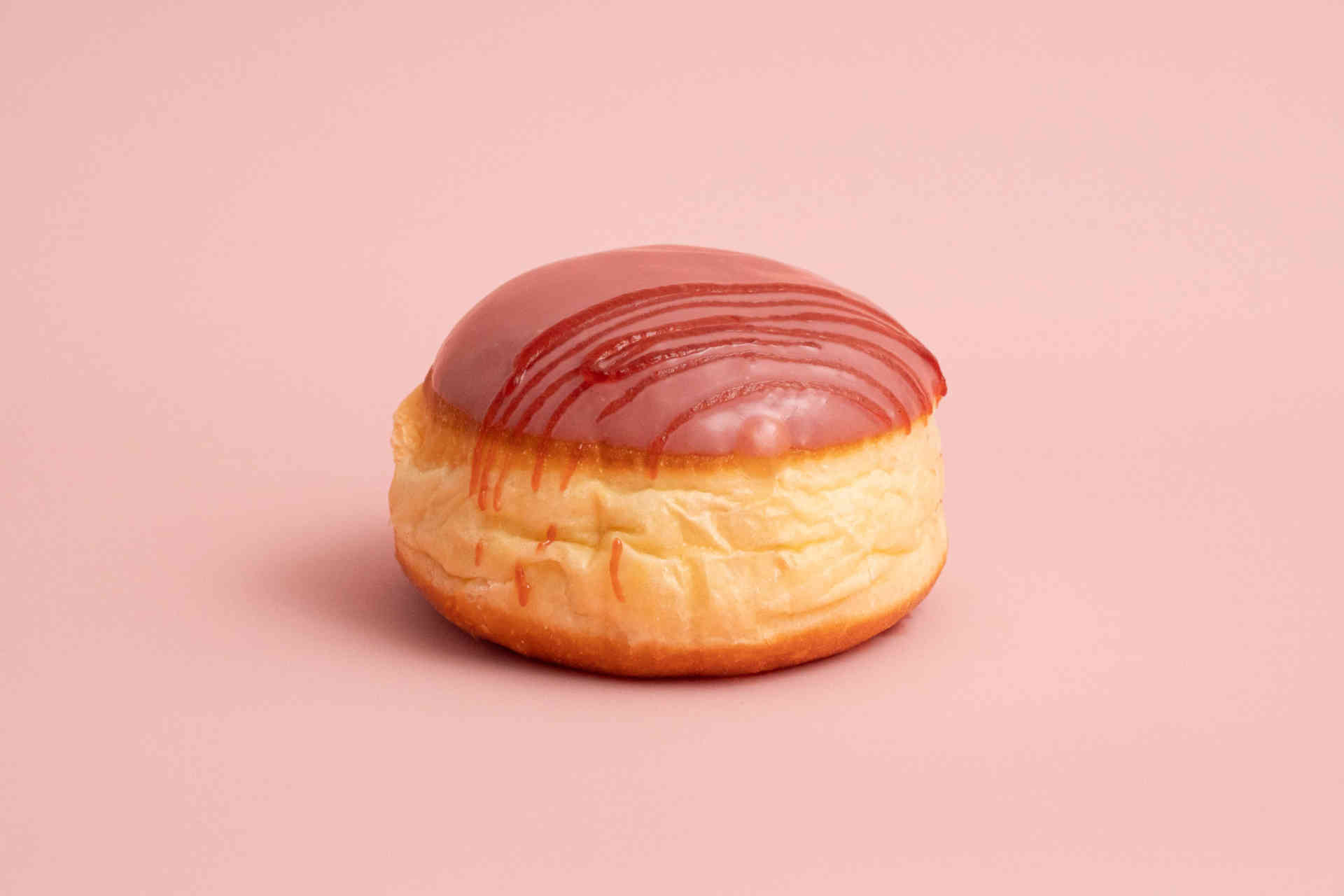
It couldn't be more varied
“We currently have a total of eleven varieties of doughnuts in our range. In addition to already familiar varieties, this year we have also tried our hand at a doughnut relative of our chocolate doughnut roll,” reports Sorger-Domenigg from his bakery and continues: ”Every year, we add new creations to our range and try to be inspired by current trends wherever possible.”
Why are classics being reinterpreted?
The reinterpretation of classics fulfills several strategic goals. On the one hand, familiar products with a modern twist offer a high identification potential for consumers, as they arouse both nostalgic feelings and curiosity. On the other hand, innovative variations make it possible to differentiate oneself in a highly competitive market and appeal to new target groups. Younger generations in particular are looking for unique taste experiences and visually appealing products that can also be showcased on social media. This turns classics into dynamic brand ambassadors that combine tradition and zeitgeist.
Sorger-Domenigg on his background: “We already had the idea a few years ago. The doughnut season should be the most colorful of the year - just like carnival. With the many different doughnuts, we have the opportunity to bring more color, patterns and diversity into our display cases. It is also very exciting for our pastry chefs to reinvent the classic in different variations. We make the doughnuts we like on a larger scale and see what our customers have to say about them. Variety – no matter what kind - simply brings even more joy to everyday life.”
Marketing factor doughnuts: more than just a pastry
The success of the new doughnut creations is no coincidence. They satisfy the need for individuality and experience. Bakeries such as Felber, Der Mann, Sorger and Szihn rely on targeted marketing: limited editions create artificial scarcity, colorful designs ensure social media reach, and regional ingredients appeal to the trend towards sustainability.
Our conclusion for the future: the doughnut will remain a cult treat - and become a trendsetter at the same time
The doughnut 2025 is a symbol of the symbiosis of tradition and innovation. It shows how a simple pastry can become an expression of creativity, cultural diversity and craftsmanship. Whether classic with apricot jam or experimental with angel hair - one thing is certain: the doughnut has a firm place in Austrian culinary culture. And it tastes more exciting than ever before.