

A grape variety returns
Not every great grape variety is in the spotlight. Some shine quietly—in the depth of their origins, in the character of their wines, in the signature style of courageous winemakers. One of these vines is Pugnitello – an almost forgotten but impressively distinctive rare grape variety from Tuscany that is slowly but surely finding its way back into glasses.
Grape variety profile: Pugnitello – The fist of good taste
Name: Pugnitello
Origin: Tuscany (especially Maremma)
Type: indigenous red wine variety
Area under cultivation: approx. 16 hectares, mainly in the province of Grosseto
Special feature: firm, fist-shaped grape structure (“pugno” = fist)
Style: deep dark color, notes of cherries, red berries, herbs; soft tannins, lively freshness Pugnitello is not a mainstream wine, but a real rarity – original, structured and full of Tuscan power. Ideal with game dishes, mature cheese or simply as a topic of conversation in the glass.
"For us, Pugnitello is something special because it is an almost extinct indigenous grape variety that – apart from us – only about ten other wineries in Maremma and Tuscany grow. We are also part of the Slow Food community for Pugnitello della Maremma. What's also special is that, in addition to the classic red wine, we also produce rosé and, as the only ones in the world, a Spumante Metodo Classico from Pugnitello rosé. Others still make rosé, but the sparkling wine project is unique so far."
Valentina Livio, Purovino – winery owner

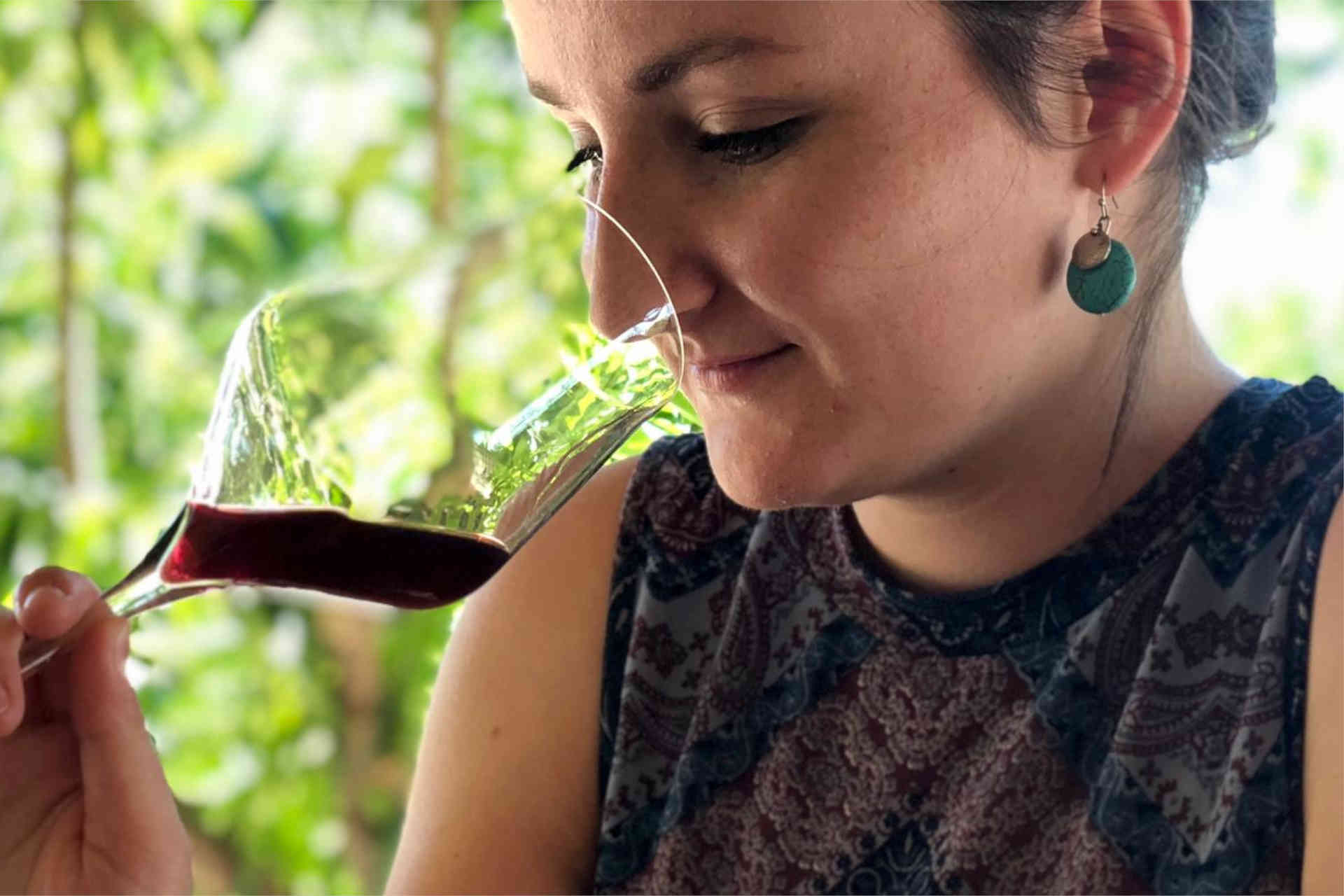

Winery in focus: Purovino
In the rolling hills of Maremma, near Magliano in Toscana, the Azienda Agricola Purovino winery cultivates around four hectares of vineyards – organically and completely sulfur-free. The philosophy? Pure grape varieties – unadulterated, direct, full of character.
At Purovino, the aim is to bring out the typical characteristics of each variety – without fining, without frills. Each wine should reflect exactly what the grape and the soil have to offer. Clear, honest, independent – in short: Purovino. Thanks to its collaboration with the University of Tuscia, Purovino has developed its own process that specializes in the production of pure wines without additives.
Here, Pugnitello comes to life in all its facets – as a powerful red (Podere Corso), a fine rosé, and a traditionally fermented spumante (Lisander).
Food pairing – what goes well with Pugnitello?
- Braised game dishes or beef with herbs, such as rosemary.
- Mature Pecorino cheese.
- Mushroom risotto, truffle oil also goes well here.
- Seared entrecôte with herbs.
Pugnitello loves intense flavors, hearty cuisine, and honest food – just like its origins.
Special: The grape variety as a type – Pugnitello on Tinder
Pugnitello, 800+ years old, origin: Tuscany
“Profound. Wild. Underrated.”
Likes dark berries, soft tannins, and aging potential.
Favorite date? Candlelight, game ragout, and Pecorino. Not a fan of mainstream.
“My name comes from ‘pugno’ – the fist. But I'm more of a cuddler than a knockout.”
Swipe right – I'm #RareButWorthit
Mary Victoria Kraaz
Mary Victoria Kraaz combines Irish-Bavarian roots with impressive international wine expertise. After working for Lodovico Antinori, Manincor in South Tyrol, and the leading biodynamic winery Peter Jakob Kühn, she now shapes the world of wine from Maremma in Tuscany.
With an academic background in viticulture, oenology, and international wine management (B.A. International Wine Management; M.Sc. Viticulture, Oenology & Wine Economics), as well as WSET Level 3, she combines profound expertise with practical advice. Her focus is on organic, natural, and terroir wines, pairing strategies for upscale gastronomy, and wines with storytelling potential for international hospitality concepts—expertise that makes her a sought-after consultant and taster.
From Genusspunkt Sept-Oct 2025