Good vibes

A recipe for success in gastronomy
Salah Jalal / Pixabay
Alexandra Gorsche © Conny Leitgeb Photography
15. July 2023 | 
Alexandra Gorsche
15. July 2023
|
Alexandra Gorsche

In the world of gastronomy, where flavors and aromas seduce our taste buds, there is an intangible element that enhances the dining experience – good vibes. The ambience, energy and positive atmosphere in a restaurant play a crucial role in creating memorable moments for diners. We take a look at the importance of good vibes in the restaurant industry and their contribution to a thriving culinary scene. We also shed light on the challenges facing the industry, including recent changes in the career choices of professionals in Austria.

The power of good vibes

Good vibes are the positive emotions and sensations people have when entering a restaurant. It is the collective result of various factors, such as friendly staff, appealing aesthetics, harmonious sounds and a warm ambience. When these elements come together, they create a welcoming atmosphere that enhances the overall restaurant experience and leaves a lasting impression on customers.

Customer satisfaction

A good atmosphere in a restaurant is directly linked to customer satisfaction. When guests enter a restaurant with positive energy, they are more likely to enjoy their meals, engage in lively conversations and leave with a sense of fulfillment. According to a recent survey of restaurant visitors in Austria, 85% of respondents said they would be more likely to visit a restaurant again if it had a good atmosphere.

Challenges for the industry

Despite the importance of a good atmosphere, the restaurant industry in Austria faces major challenges. One notable problem is the high turnover rate among skilled workers in the industry. Recent statistics show that in the last two years, the number of people leaving the catering industry in Austria has risen by 30%.

Maintaining a good atmosphere

Restaurant owners and managers need to focus on creating an environment that fosters good morale and supports their employees. Implementing strategies such as team-building activities, employee recognition programs and regular check-ins can significantly improve employee morale. By investing in the wellbeing and job satisfaction of their teams, restaurateurs can reduce turnover rates and create a positive working atmosphere that will have a positive impact on customers.

The role of self-reflection

Self-reflection plays an important role in dealing with challenging situations and difficult guests. As highlighted by professionals in the industry, service staff need to separate their own needs from those of guests. By understanding that a guest's negative behavior often has nothing to do with their performance or personal attributes, they can approach the situation with empathy and a problem-solving mindset. This approach helps to prevent the personalization of negative interactions and helps to maintain a good atmosphere in the restaurant.

Good vibes are an essential part of the hospitality industry. It creates a positive atmosphere and improves the overall customer experience. However, it is crucial to overcome the challenges facing the industry, such as the high turnover rate among professionals. By prioritizing the well-being of their employees and creating a supportive work environment, restaurant owners can create a culture of good vibes that resonates with both their employees and customers. Let's spread positive energy!

A la table, s'il vous plaît! A la table, s'il vous plaît! A la table, s'il vous plaît! A la table, s'il vous plaît!
Copyright for the featured images used:
Salah Jalal / Pixabay

AI 2026

From Experiment to Structural Integration

Artificial intelligence has become part of everyday life in many businesses – but by 2026, it will become a structural imperative. The focus is no longer on testing individual tools, but on the question of how AI can be deployed reliably, effectively, and across the entire organization. Examples from tourism, events, and organizations already demonstrate today how scaling works in practice – and where AI specifically reduces the workload.

A clear turning point is emerging for the year 2026. The company-wide deployment of AI is taking center stage. This is the conclusion reached by Hamburg-based AI expert and interim manager Eckhart Hilgenstock, who has analyzed numerous national and international studies on the development of artificial intelligence. His conclusion is clear: “Following the pilot project phase in 2024/25, many companies are aiming to scale AI within their organizations by 2026.”

Pasta has never been just al dente

Why Italian Cuisine Is Currently Being Radically Rewritten

In 2025, Italy was officially designated a UNESCO World Heritage Site – for its cuisine. Not a single dish. Not a single product. An entire cuisine. As a “system of social practices, regional traditions, and collective rituals”. The initiative for this historic recognition was largely spearheaded by the long-established culinary magazine La Cucina Italiana, whose editor-in-chief, Maddalena Fossati Dondero, has been actively driving the international push for the UNESCO listing of Italian culinary culture since 2020.

And now, of all times, pasta is being reinvented. What sounds like a contradiction is, in truth, a logical consequence: if a cuisine is cultural heritage, it must not become stagnant. It must continue to evolve. Pasta is not merely a side dish in this context. It is the stage.

Trendspotting Munich

Dry January: From a Monthly Phenomenon to an Industry Standard

Dry January is no longer just a month of abstinence. It’s a barometer. For changing guest preferences. For more conscious consumption patterns. For a new aesthetic of enjoyment. Anyone who still believes in 2026 that non-alcoholic drinks are merely lemonade in a crystal glass has failed to grasp the trend. At Bar Montez in the Rosewood Munich, Bar Manager Mario Sel demonstrates just how sophisticated, structured, and gastronomically relevant non-alcoholic creations can be today – and why they have long been a strategic component of contemporary bar culture.

quick & dirty
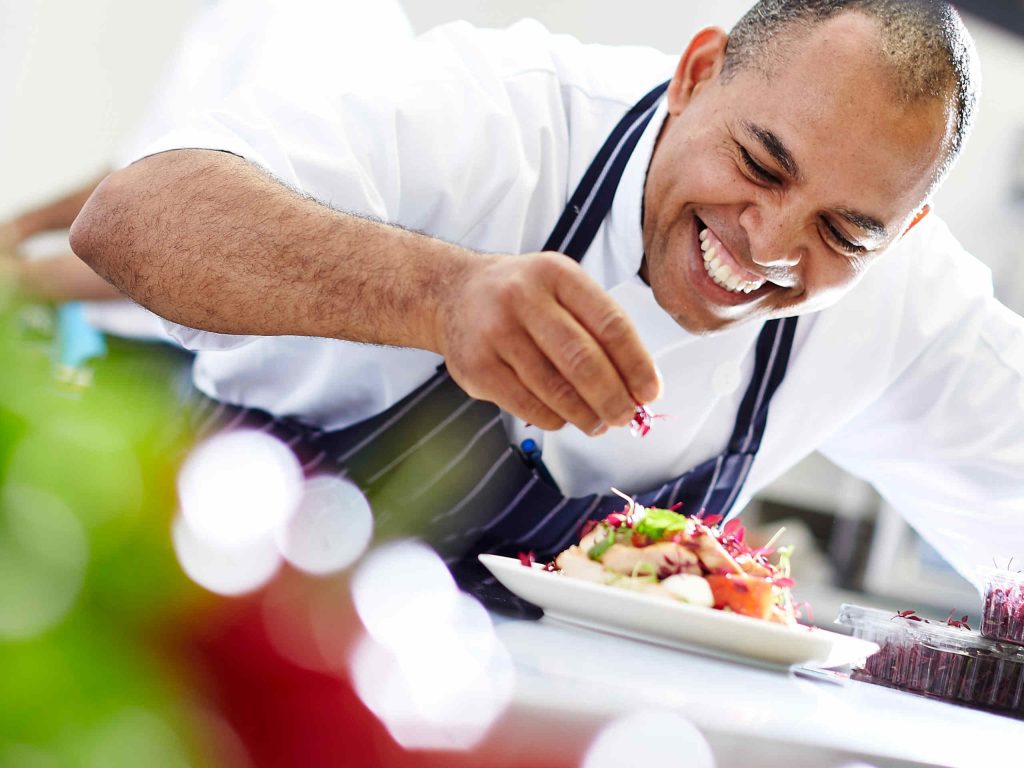
Gute Stimmung in der Gastronomie ist direkt mit der Kundenzufriedenheit verbunden. © Salah Jalal / Pixabay
Good vibes

In the world of gastronomy, where flavors and aromas seduce our taste buds, there is an intangible element that enhances the dining experience – good vibes. The ambience, energy and positive atmosphere in a restaurant play a crucial role in creating memorable moments for diners. We take a look at the importance of good vibes in the restaurant industry and their contribution to a thriving culinary scene. We also shed light on the challenges facing the industry, including recent changes in the career choices of professionals in Austria.