
A trend report as a compass for future-oriented foodservice businesses
At a time when culinary preferences are changing faster than ever before, the latest Future Menus Trend Report 2025 from Unilever Food Solutions (UFS) provides indispensable guidance for foodservice businesses worldwide. Based on data from 21 countries, social media analyses with over 237,000 keywords and the knowledge of over 1,100 kitchen professionals and 250 culinary advisors, this report not only acts as a trend barometer, but also as a practical toolbox for gastronomic practice.
Trend research: why it is so important today
Trend research is no longer an end in itself - it is an economic and creative management tool. As food expert Hanni Rützler puts it: “Food trends are search movements in our food culture” - they reflect social desires, changing values and innovations. Companies that are prepared to embrace this change not only ensure economic resilience, but also relevance in an increasingly differentiated market.
Four key culinary trends for 2025
This year's trend report focuses on four central developments that catering businesses should not only be aware of, but actively shape:
- Culinary Roots - The renaissance of culinary origins
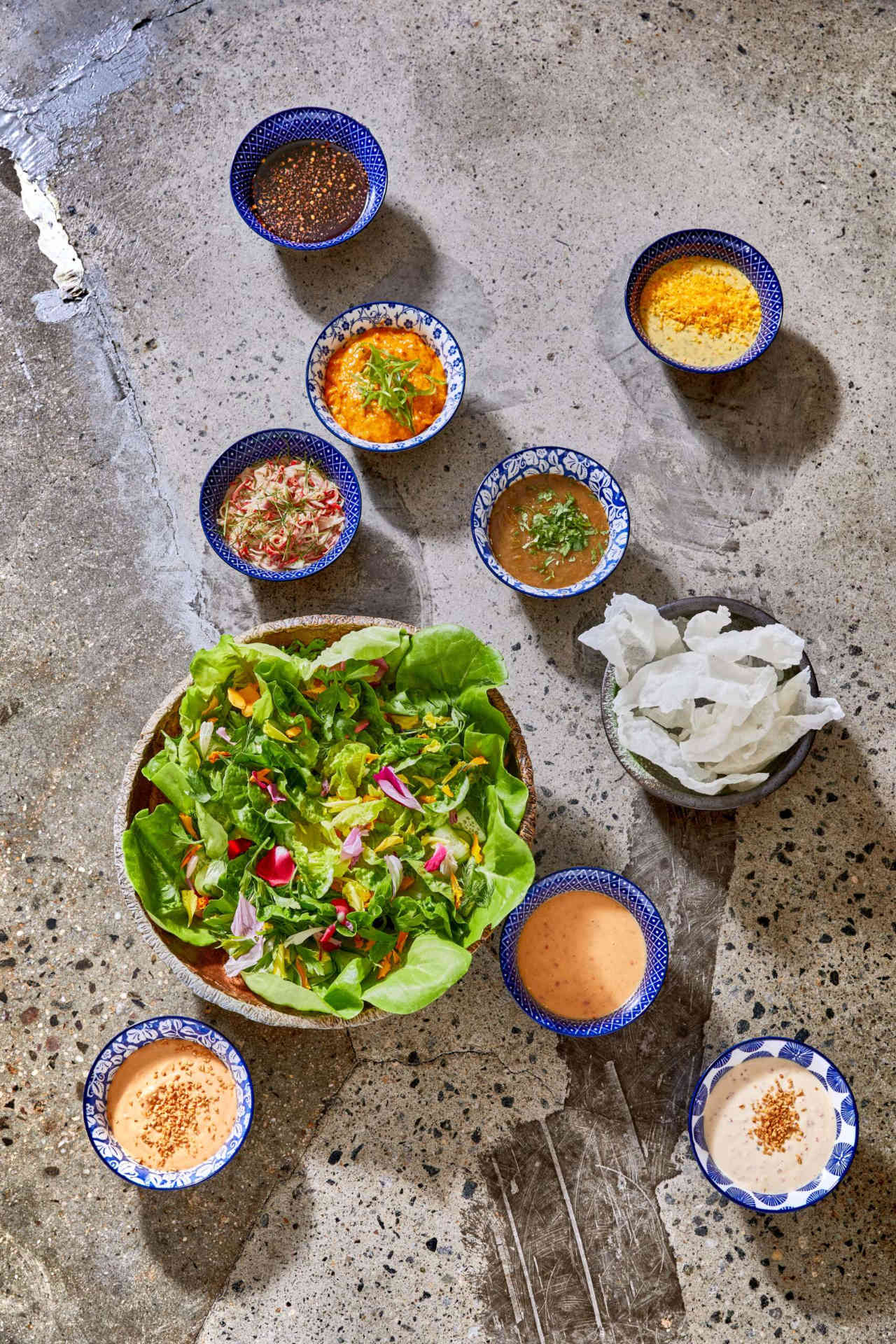
The return to regional and cultural roots is far more than nostalgia. It is a strategic response to the need for authenticity, transparency and emotional storytelling. In many countries - such as the Mexican region of Oaxaca, the Chinese province of Sichuan and the Emirates - traditional cooking techniques are being reinterpreted. For example, escabeche, a traditional vinegar-based preservation method, is experiencing a modern renaissance - combined with umami components such as miso or dashi. This fusion creates dishes with history and depth - and hits the nerve of the times. - Street food couture - casual but sophisticated
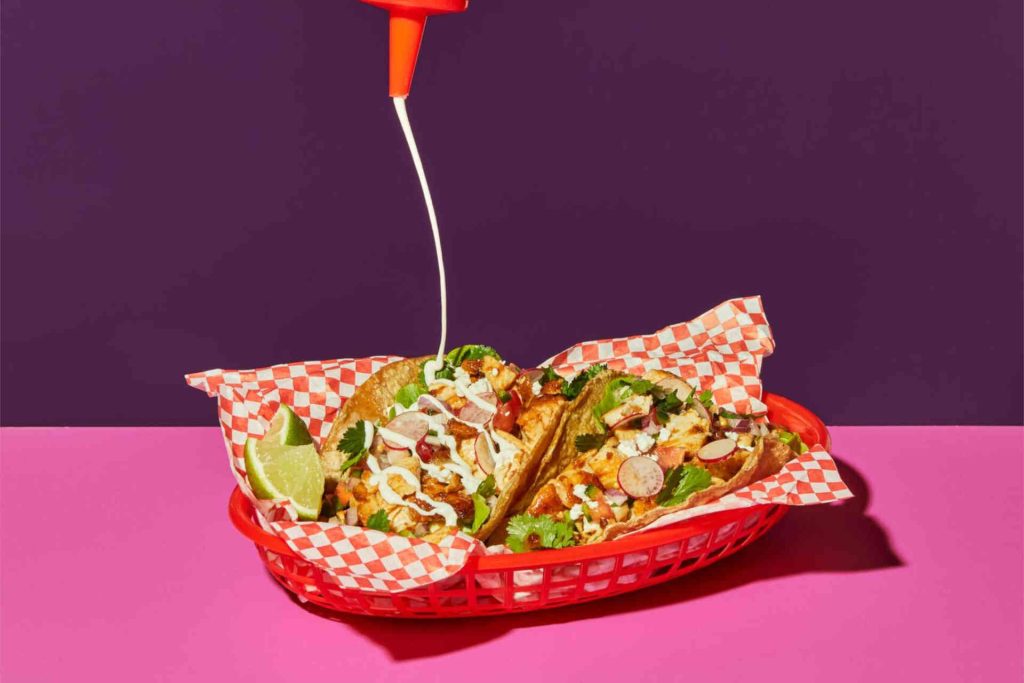
Street food has evolved from a quick snack to a serious culinary concept. Generation Z demands uncomplicated but high-quality cuisine - fairly priced and cosmopolitan in taste. “Street Food Couture” combines exactly that: artisanal techniques, premium ingredients and creative flavor combinations. The idea is simple - the result is sophisticated. This form of gastronomy offers low-threshold access and a high degree of differentiation from the competition. - Borderless cuisine - taste knows no borders
Globalization on the plate: the trend towards borderless cuisine shows how multicultural identities are finding expression in gastronomy. Classic European dishes are being rethought with influences from Latin America, South East Asia and the Middle East. One example of this is a ramen noodle salad with corn-fed chicken, refined with a sweet and sour sauce based on hollandaise sauce. This aromatic crossing of boundaries creates familiar experiences with a surprising twist - exactly what modern diners expect. - Diner Designed - the next generation of dining experiences
Diners want more than just good food - they are looking for emotional presentations, multi-sensory experiences and creative surprises. The “Diner Designed” trend picks up on this development and integrates digital tools such as augmented reality, individualized menus and AI-based taste suggestions into everyday restaurant life. The motto: food becomes a stage. Products such as the versatile Hellmann's Real help to harmonize taste, texture and visual appeal - perfect for the Instagram age.
Between vision and implementation: what restaurateurs can do now
Unilever Food Solutions not only provides theoretical inspiration, but also directly implementable recipe ideas, techniques and product recommendations. The aim is not only to recognize trends, but also to implement them in everyday kitchen life. CEO Star Chen emphasizes: “Future Menus helps kitchen professionals to meet rising expectations - with tools that ensure growth and relevance.” The figures show that this approach is paying off: Over 3 million restaurateurs worldwide already rely on the expertise of UFS, and seven out of ten recommend it to others.
Food trends at the crossroads of social developments
In addition to the UFS trends, Hanni Rützler's current observations show that the trend landscape continues to differentiate. Whether plant-based cuisine, re-use food, regenerative agriculture or the return to regional authenticity - each of these trends influences how guests want to eat - and how the food service industry must position itself.
In combination with dynamic guest wishes, the urge for individualization and the desire for sustainability, a complex requirement profile emerges that demands innovative concepts - not only for the product, but also for atmosphere, service and communication.
Our conclusion for the future: If you want to serve the future, you need the right plan today
The Future Menus Trend Report 2025 impressively shows how important it is not only to be inspired by trends, but to actively help shape them. Those who speak the language of their guests - emotionally, authentically and with an eye to the future - will also be economically successful.
Today more than ever, restaurateurs are cultural translators, experience creators and trendsetters. Looking to the future starts with the right ingredients - and with reports like this one that make trends tangible and practicable.
You can find more inspiration, recipes and implementation strategies at:
www.ufs.com